Where things stand
Cole Creek runs through Green Acres on its way to Clear Lake. Over the
years, sediment has filled the channel. When heavy rain comes, the creek
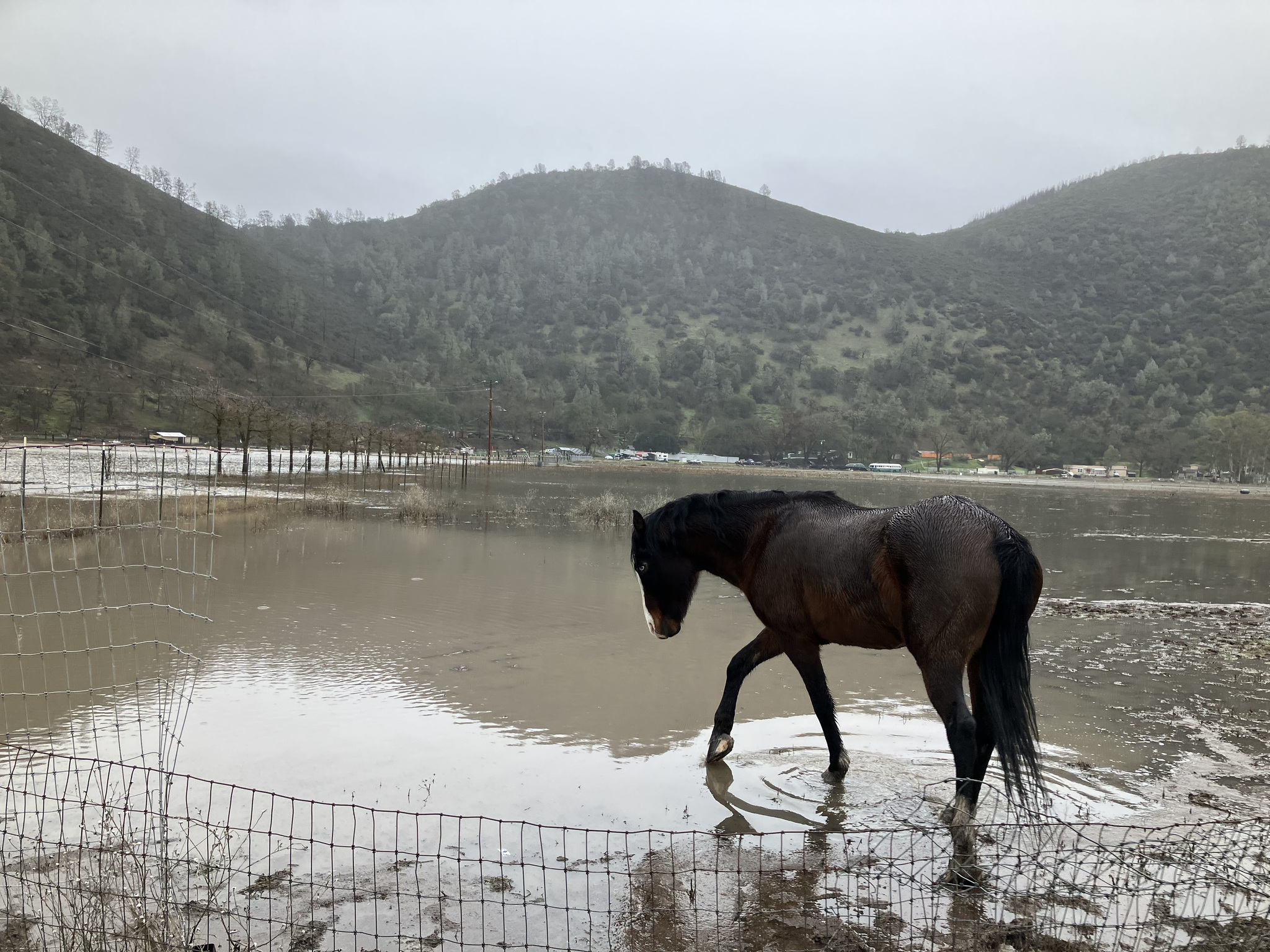
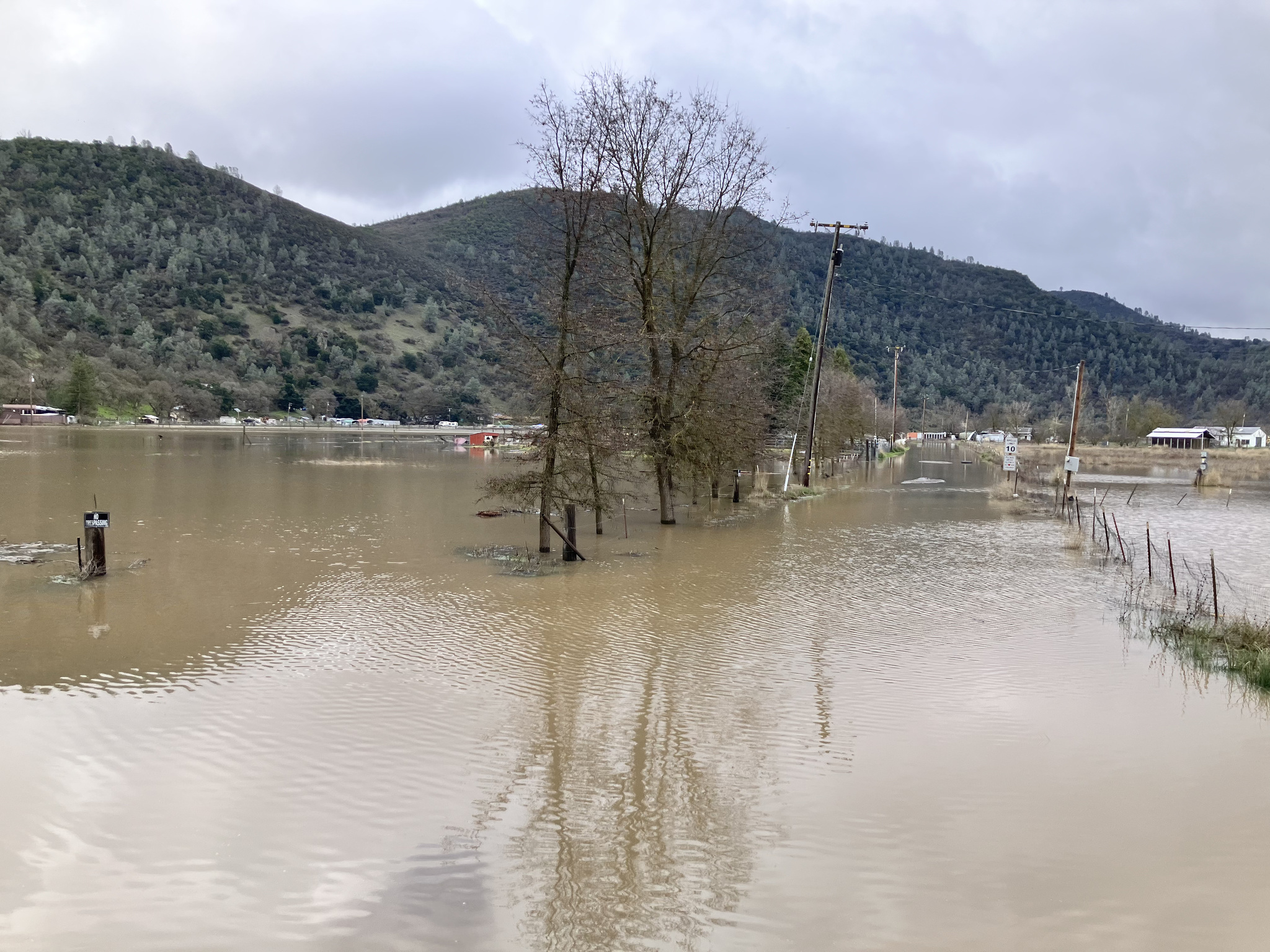
spills onto homes, roads, and pastures, and the water can sit there for
months. Lake County is now planning a lasting fix for the lower part of
the creek. Here's where that stands.
-
1.
Done
The design is paid for
A state grant from the California Department of Fish and Wildlife covers planning and design.
-
2.
Underway
Engineers are planning it
The county hired FlowWest, a river restoration firm. They have just started, and the design is due by March 2028.
-
3.
Still needed
Money to build it
The current grant doesn't cover construction. Funding to build the project hasn't been found yet.
See the full plan, timeline, and sources →
October 6, 2026
Lake County Water Resources crews returned to Cole Creek on Monday and Tuesday, October 5–6, to remove accumulated sediment ahead of the winter storms. Building on last year's cleanup, the team uncovered the drainage pipe and removed sediment from the creek upstream of it. It's great to see this hands-on maintenance continuing!
Read more →
September 1, 2026
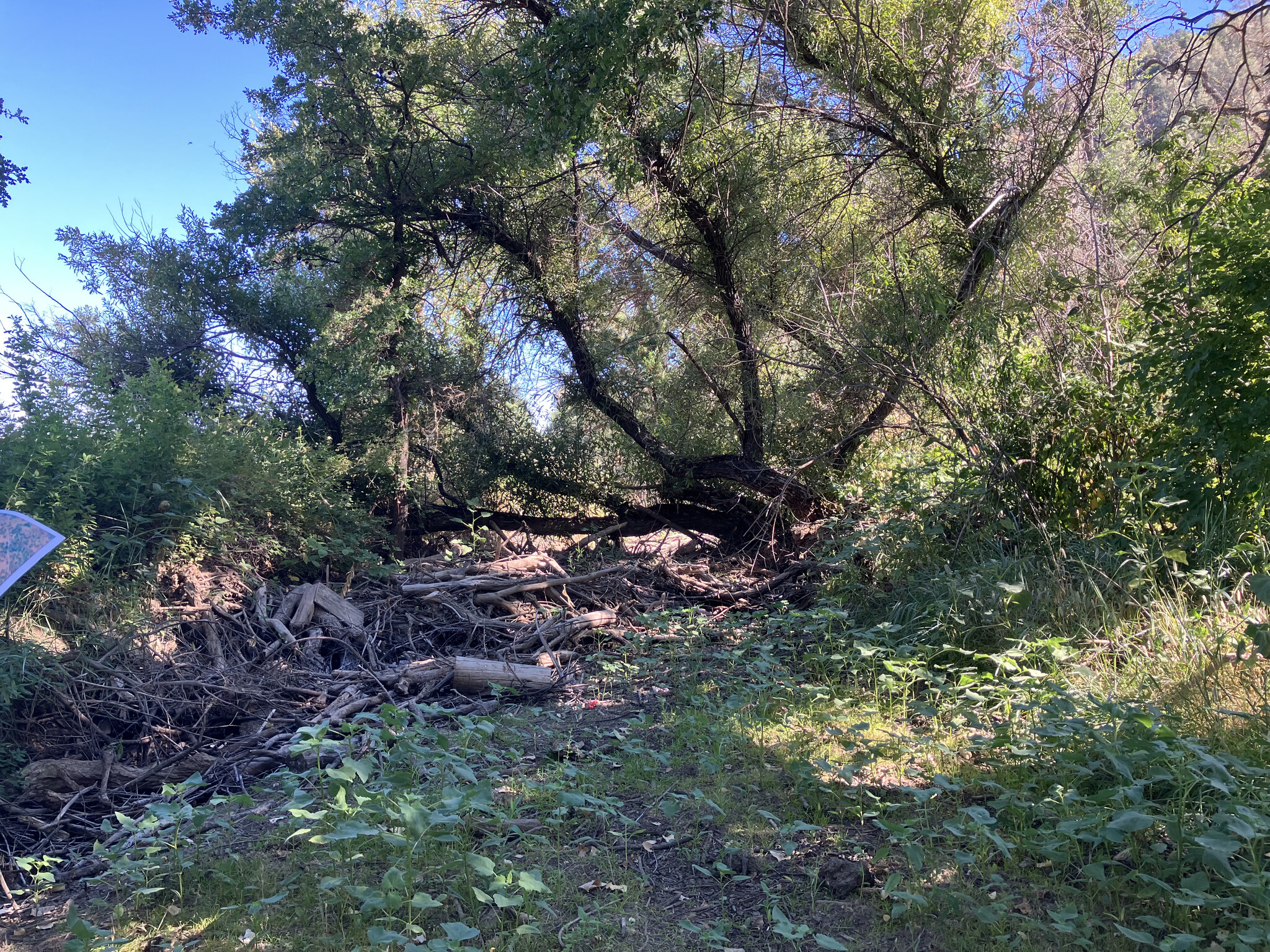
On September 1, Lake County Water Resources crews cleared two major accumulations of woody debris from Cole Creek along Clark Drive. At the first site, logs and branches had packed beneath a bridge in the channel. Crews pulled the material from under the span and loaded it into a dump trailer. Farther downstream, they cut apart a second dense blockage and hauled the debris out.
Read more →
August 4, 2026
On August 4, the Lake County Board of Supervisors approved a $349,647 agreement with FlowWest to plan and design the restoration of Cole Creek. The agreement runs through March 1, 2028. It describes the goal as a project "to reduce flooding and improve habitat conditions for Clear Lake hitch" in Lower Cole Creek. The supervisors voted as the board of the Lake County Watershed Protection District, the county agency that runs the project.
Read more →
What the sensors show
At one pasture on Pharo Place, sensors recorded at least 135 straight
days of standing water in 2025, with a peak depth of 2.31 feet. In the
early 2026 record, the peak was about 5 inches. It's encouraging to see
less standing water after the creek work. These results cover one
pasture during two different winters, so they don't tell us that the
flooding problem is fixed across the neighborhood.
See the monitoring results.
Why the creek needs more than clearing
Cole Creek was rerouted and straightened in the late 1950s.
Sediment and debris have built up over the years, leaving less room for
water to flow. Blocked outlets have also kept water from draining out of
the neighborhood.
Clearing those blockages helps water flow. The larger restoration
project needs to deal with the creek and the neighborhood's drainage for
the long term.
Let's turn the plans into work on the ground
FlowWest is now planning and designing the restoration, paid for by a
California Department of Fish and Wildlife grant. The design is due by
March 2028. Building it will take more funding, which hasn't been found
yet. We'll keep following the project until the work is done.
See the full plan and timeline.
Thank you to Lake County Water Resources, the California Conservation
Corps, and CDFW for the creek work and coordination so far, including
the county's
September
and
October 2026 cleanups.
We need that upkeep to continue while the larger project moves forward.
Our main goal remains the long-term restoration of Cole Creek.
Clear Lake hitch need the creek too
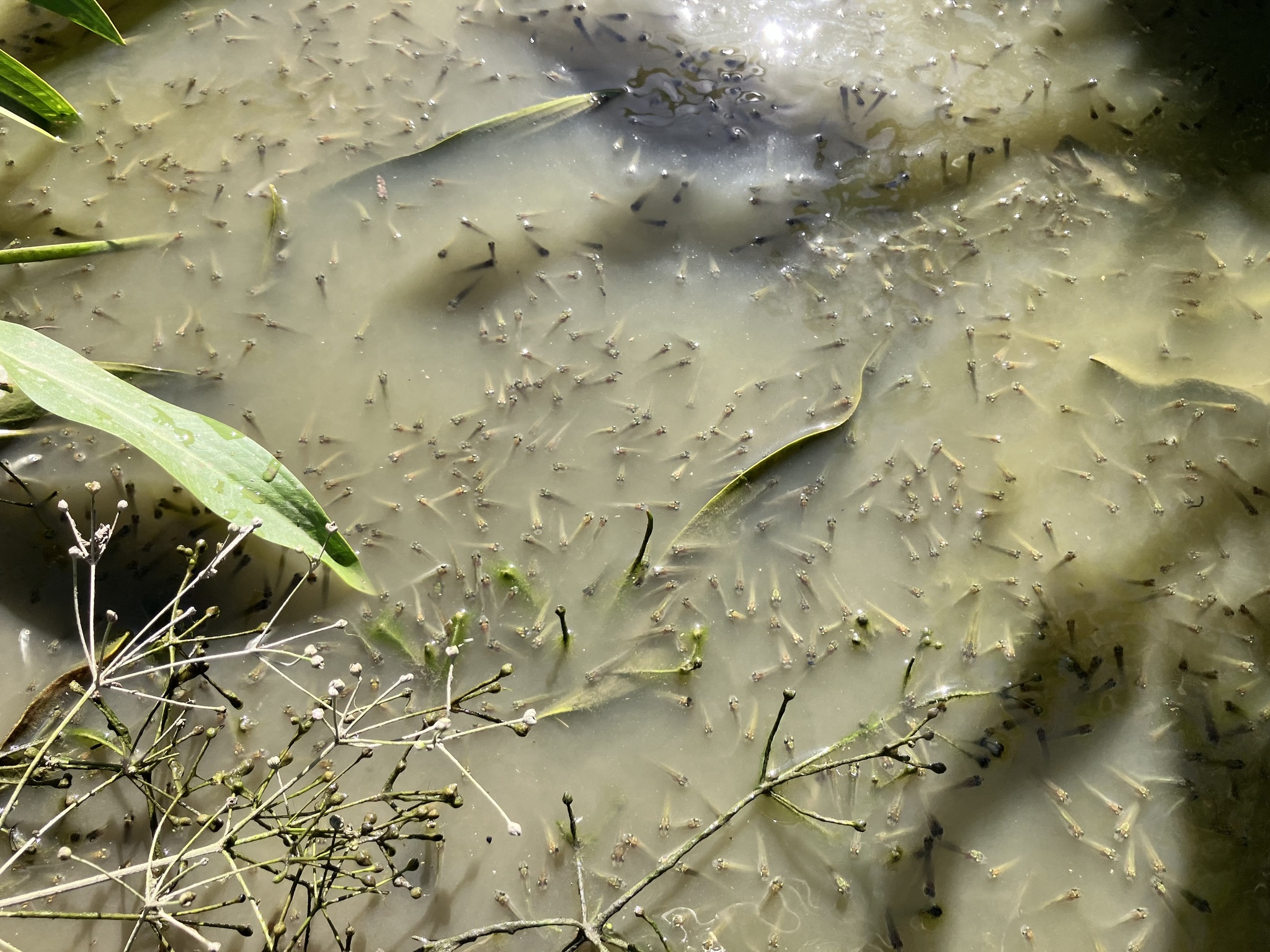
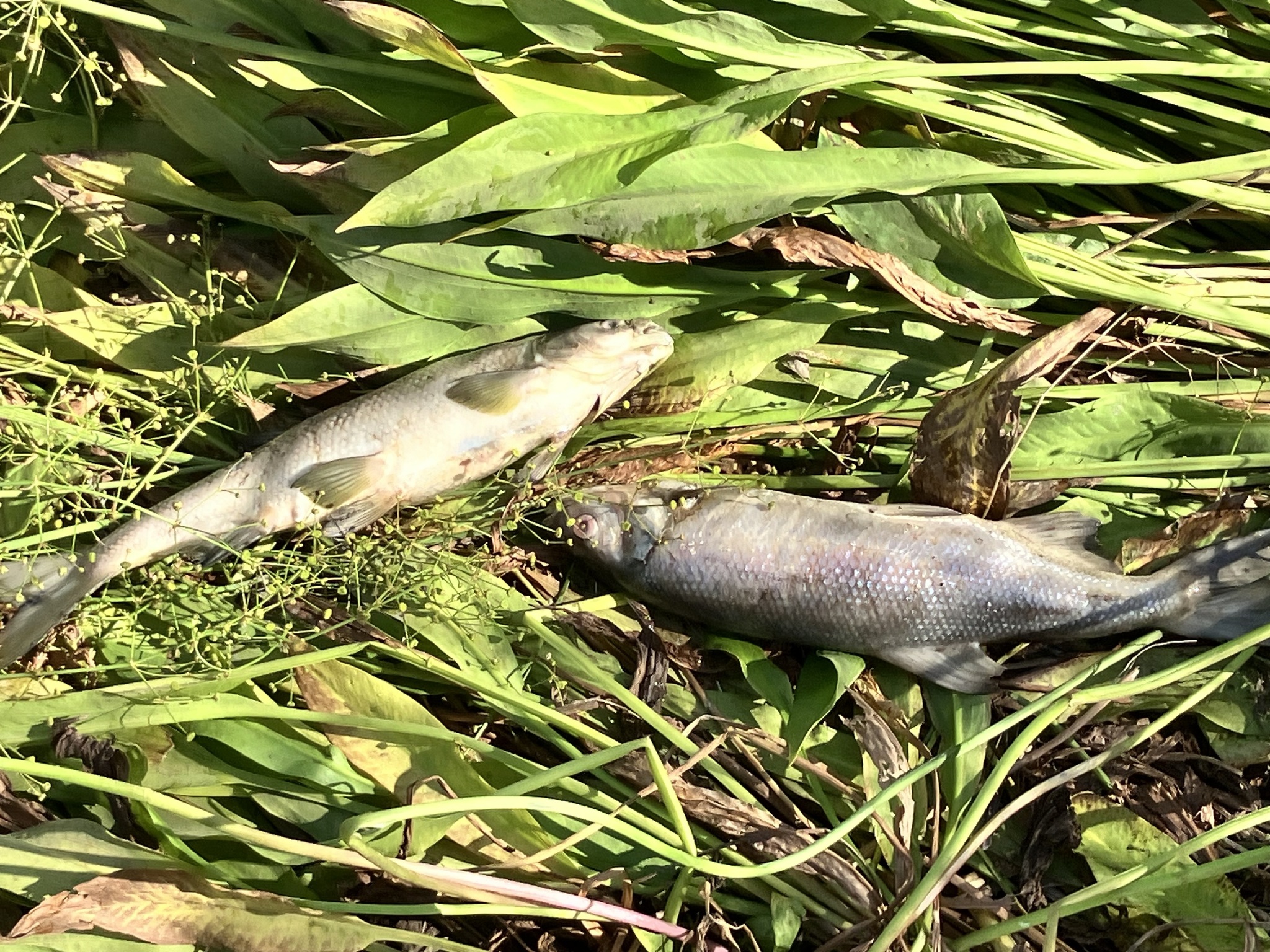
Clear Lake hitch come into Cole Creek to spawn. When the creek floods
nearby fields, fish can get trapped in pools that later dry out. Our
photos show what has happened in past years.
We counted about 50 hitch in the creek during a
community survey on March 10, 2026.
It was good to see them. Restoring Cole Creek matters for these fish as
well as the people who live here.
Who We Are
We're neighbors in Green Acres, Kelseyville, California. Many of us have
lived here for decades. We've seen floodwater stay on our properties for
months, damage roads and fences, and
make everyday life difficult.
We're sharing photos, keeping track of conditions, and meeting with the
agencies involved. We want the creek restored and the neighborhood able
to drain properly when storms come.
Drone footage of Green Acres flooding, February 18, 2025. Filmed by Sam
Euston.
Help us get a long-term solution
Do you have photos, flooding stories, or observations from along the
creek? Please share them. They help show what our neighborhood has been
dealing with and why the restoration needs to happen.